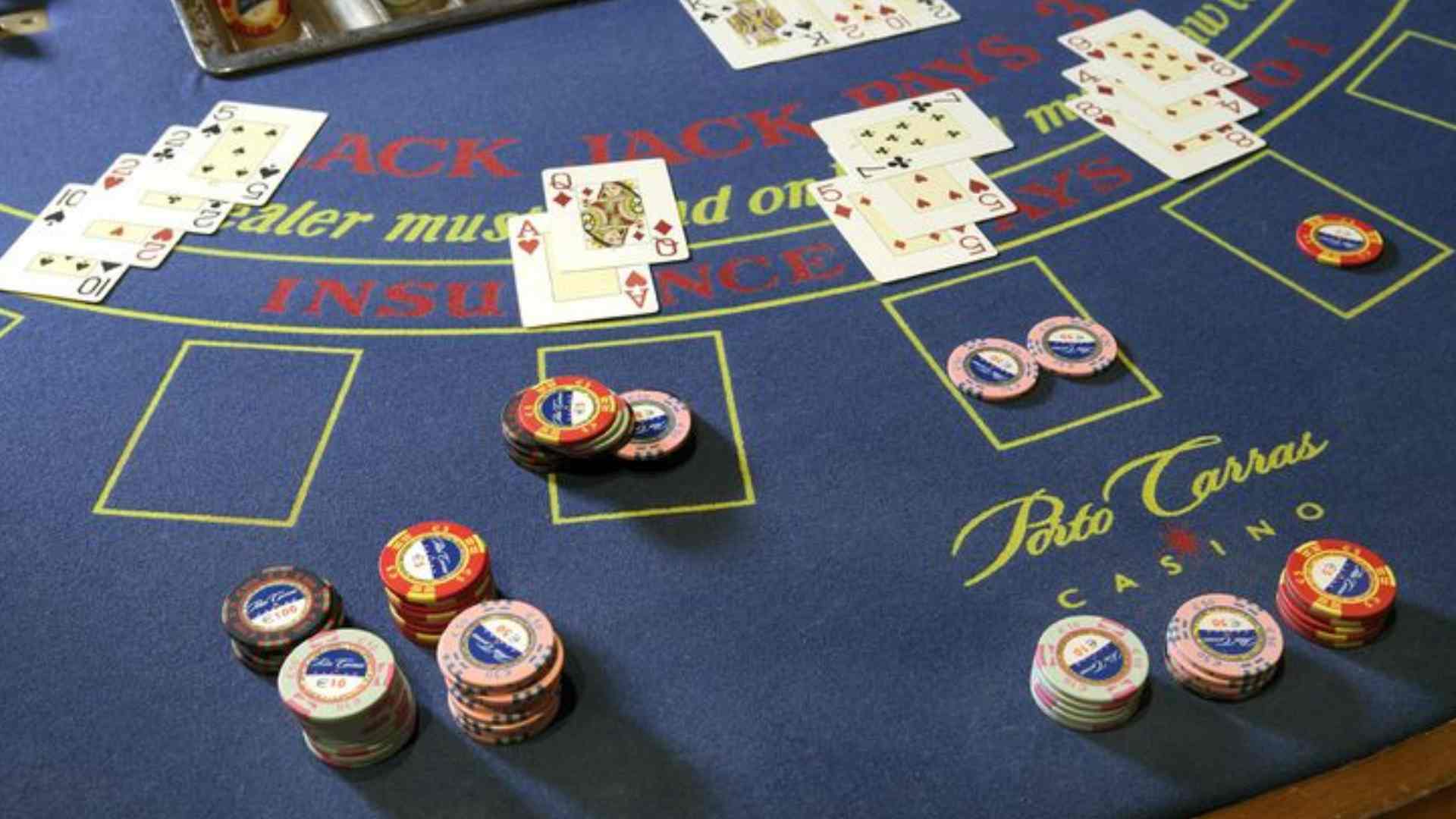
Engaging in competitive duplicate bridge games offers an extraordinary opportunity to refine one's cognitive skills and strategic foresight at the table. Unlike traditional card games determined by pure luck, contract bridge relies heavily on deep analytical skill, memory retention, and logical assessment. Players who routinely dedicate time to this classic card sport quickly discover a significant improvement in their general decision-making capabilities.
The Evolution of In-Game Risk Assessment
Every single hand dealt in contract bridge presents a completely unique puzzle requiring careful evaluation of multiple potential outcomes. Individuals must constantly balance aggressive bids against the substantial risk of suffering heavy defensive penalties during the match. This ongoing friction naturally trains the human brain to weigh potential consequences before choosing a definitive tactical path.
Through consistent practice across diverse scenarios, players learn to look beyond their immediate holdings and anticipate complex layouts at the table. This calculated mindset transforms casual participants into highly competent strategists who can adapt to sudden card changes seamlessly. Over time, making these high-pressure choices builds a foundational layer of resilience that benefits daily problem-solving activities.
Analyzing Information from the Auction Phase
The preliminary auction phase in bridge provides a wealthy stream of subtle data points that sharpens logic and deduction skills. Every competitive bid or sudden pass made by an opponent hints at their hidden card distribution and honor strength. Experienced enthusiasts carefully study these clues to reconstruct a complete, accurate mental image of the table layout.
Utilizing this inferred knowledge allows a pair to execute highly accurate maneuvers during active declarer execution and defensive play. For individuals looking to master similar strategic systems, visiting platforms like Mansion88 can offer an exciting way to test analytical agility and focus. Correctly deciphering the opponents' bidding patterns ultimately separates basic players from advanced tournament experts.
Defensive Strategies and Partnership Synergy
Succeeding on the defensive side demands an extraordinary level of cooperation and structured communication between two dedicated partners. Players utilize subtle card-pointing systems and specific opening lead conventions to share vital information without violating the rules. This deep interdependence forces individuals to look at the match from their teammate's unique tactical perspective.
Anticipating your partner's defensive moves and covering potential vulnerabilities requires intense mental concentration and quick environmental adaptation. Implementing standard defensive combinations, such as second-hand low, helps neutralize aggressive offensive plays efficiently across multiple rounds. This shared tactical responsibility fosters complete trust, which remains the absolute cornerstone of any winning duo.
Cultivating Patience and Mental Discipline
A major benefit of regular bridge engagement is the natural development of emotional control, behavioral restraint, and patient timing. Rushing into the very first trick without a comprehensive plan frequently leads to missed entry points and failed contracts. Expert declarers always pause to formulate a complete blueprint before playing a single card from the dummy.
This deliberate style of play prevents careless errors and maximizes modern tactical opportunities throughout the entire session. Learning to accept unfavorable card distributions with composure builds long-term psychological strength and strategic confidence. Ultimately, the cognitive demands of bridge ensure that every single session remains fresh, stimulating, and highly rewarding.