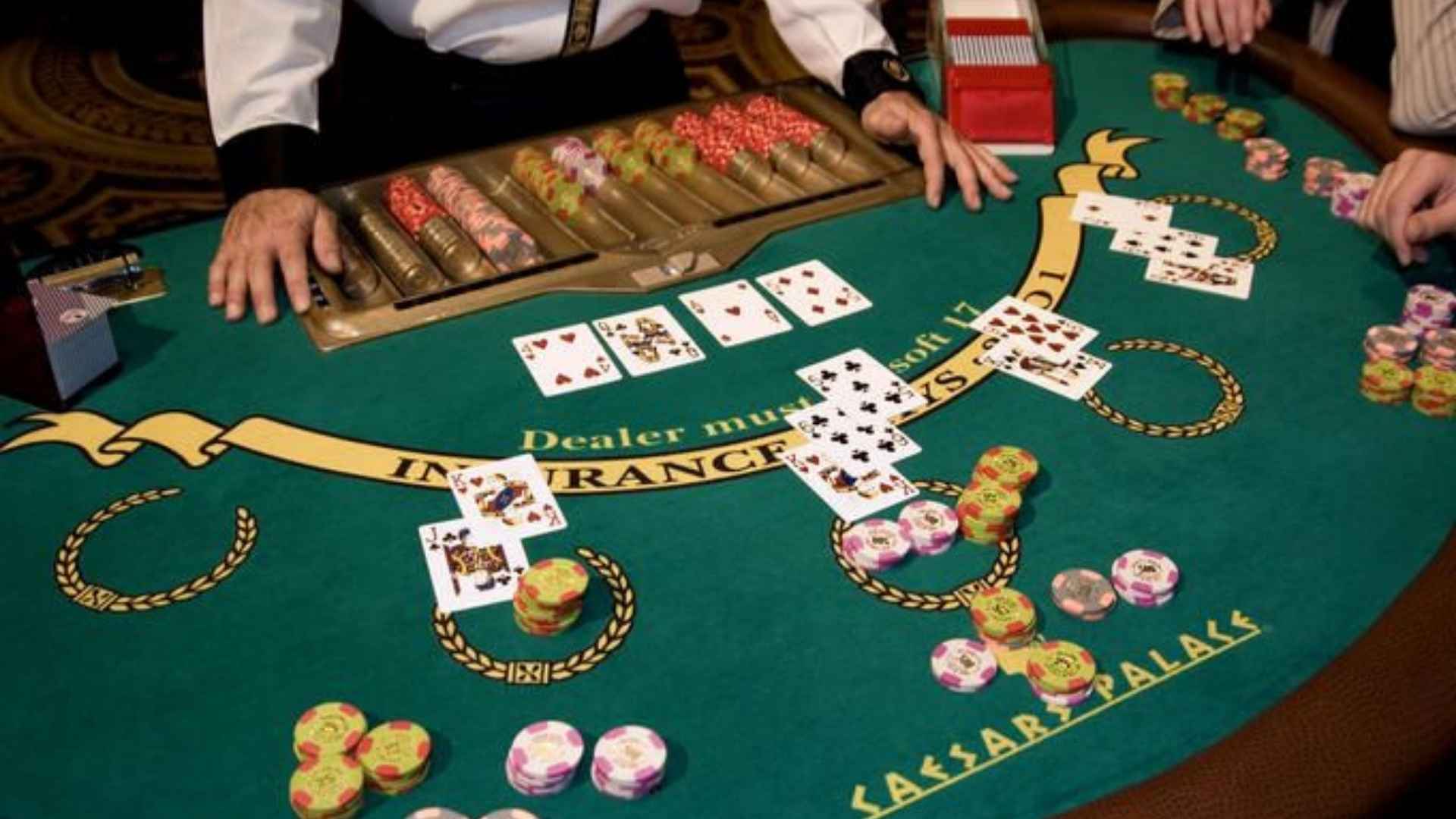
Modern video game design relies heavily on keeping experiences fresh and engaging to prevent player fatigue over long periods. One of the most effective strategies employed by developers is the strategic implementation of random rewards that introduce unexpected tactical shifts. By shifting away from rigid progression tracks, games can surprise players and naturally encourage them to explore completely different styles of play.
Breaking the Monotony of Linear Progression
When players follow a fully predictable path, the core gameplay loop can eventually become formulaic and lose its initial excitement. Introducing elements of chance ensures that no two sessions feel identical, prompting gamers to adapt to whatever tools they receive. This unpredictability transforms routine tasks into dynamic challenges that test a player's core skills rather than their memory.
Furthermore, random distributions encourage players to experiment with items or abilities they might otherwise ignore. When a rare drop provides an unfamiliar weapon or spell, it forces a shift in strategy to maximize the new asset. This mechanic naturally widens the player's understanding of the internal systems, fostering a deeper appreciation for the design complexity.
Fostering Adaptive Strategies and Decision Making
In highly dynamic gaming environments, adaptation is crucial for overcoming unexpected hurdles and achieving long-term success. Random rewards serve as excellent catalysts for this behavior by presenting players with unique resources at irregular intervals. Gamers must quickly evaluate the situational value of their new acquisitions and modify their immediate plans accordingly.
This ongoing need for tactical adjustment keeps the community actively engaged and discussing diverse strategies across online platforms. Players looking to explore unique outcomes in digital entertainment can also find engaging options at Mansion88 to test their luck and strategic planning. Ultimately, the ability to pivot strategies based on unexpected payouts is what differentiates casual interaction from mastery.
Enhancing Replayability Through Dynamic Systems
The longevity of modern titles frequently depends on their replayability value and how well they maintain a thriving community. By scattering variable incentives throughout the world, creators ensure that secondary playthroughs offer completely new experiences. A destination or dungeon explored in the first hour might yield entirely different treasures during a subsequent visit.
This randomness creates an organic sense of wonder that closely mirrors classic adventure elements. Players remain motivated to explore every hidden corner because the potential outcomes are never set in stone. Consequently, games that embrace unpredictable reward structures tend to retain their active user base far longer than deterministic alternatives.
Balancing Equity with the Thrill of Chance
While uncertainty introduces immense excitement, developers must carefully balance luck with genuine skill progression to avoid alienating players. If the distribution feels completely arbitrary or punitive, it can undermine the sense of personal accomplishment. Implementing smart algorithms ensures that random drops feel like welcome bonuses rather than necessary requirements for advancement.
When executed with transparency and fairness, surprise rewards enrich the overall experience without exploiting behavioral vulnerabilities. The ideal balance honors player dedication while keeping the horizon filled with thrilling, unexpected discoveries. As interactive entertainment continues to evolve, this harmony between structure and surprise will remain a cornerstone of successful design.